

Your Guide to Family Caregiving
Designed by Magnific
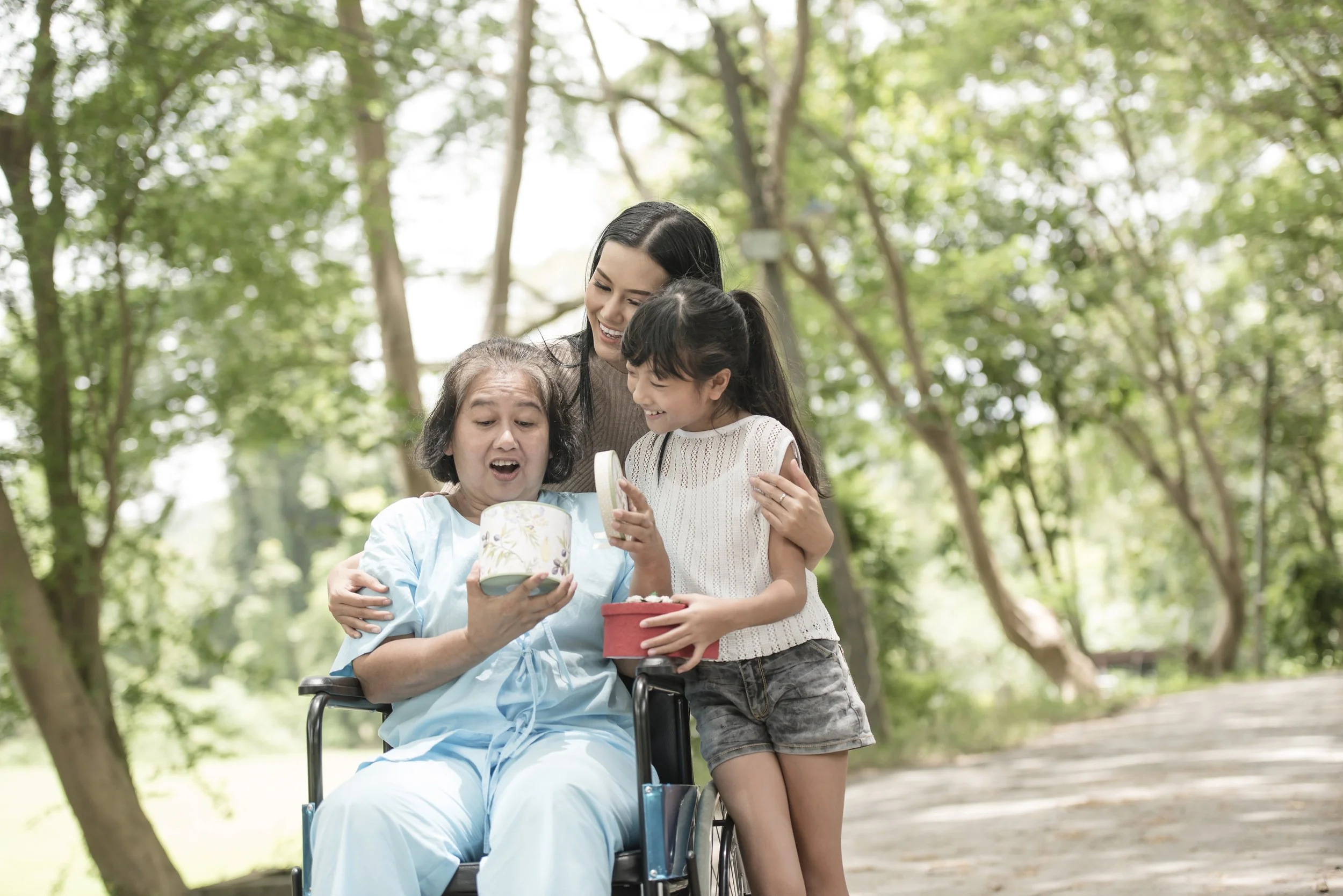
Caregiving is helping a person with their everyday activities and tasks. Family caregiving, also called as informal caregiving, is a partner, relative, friend, or neighbor who has a personal relationship with an older person or adult with a chronic or disabling condition whom they provide care and assistance for. Caregiving can be overwhelming and some face struggle emotionally, physically, socially, and financially.
The American Association of Retired Persons (AARP) provides a comprehensive guide for family careviging towards older adults.
Assess Your Loved Ones’ Needs
You can seek help from a professional to have anobjective assessment of the situation. It may be a doctor, social worker, physical therapist, dementia clinic, or even a financial adviser. To know what’s best for your loved one, start a conversation with them and ask what they want in the present and in the future. This is an important part of caregiving to give your loved ones a sense of control over their own lives.
Determine the needs that comes with family caregiving, such as the following:
1. Finances
Assess the current financial situation taking into consideration income, savings and investments, debt, and expenses. Ask questions like, “Are they able to manage their financial matters?” or “Is there a need for someone to take over the financial responsibilities?”
2. Legal
This includes advance directives like a Power of Attorney, Do Not Resuscitate (DNR) Order, and a will or living trust.
3. Health
Discuss the mental and physical health of your loved one with a doctor and other health care provider. Put together a medical history, medication list, list of health care practitioners, and organize their health insurance information.
4. Abilities
Have an assessment of your loved one’s functional abilities and identify if they need support in their activities of daily living (ADLs) or instrumental activities of daily living (IADLs). Check their healthy habits if they are getting enough sleep and eats nutritious meals. You should also keep an eye if there are changes in their abilities, such as their memory, communication, and judgement.
5. Support System
Determine the risk of isolation and whether your loved one has access to virtual, telephone, or in-person socialization.
6. Housing
Ask yourself questions like, “Is the current residence of my loved one enough to ensure their safety and wellbeing?” If the answer is no, find another option or available services to cater best to your loved one. Take into consideration if the location is a good place for transporation and errands.
7. Services
Find organizations and government agencies that provide low cost services for your loved one. This may be a Home-and Community-Based Services, Veterans Affairs, facilities, or care managers.
Create a Caregiving Plan
After assessing your loved one’s needs, create a caregiving plan that you can adjust along the way depending on their abilities and the resources available. Ask yourself the following questions:
How will care be coordinated to your loved one?
How will finances be handles?
Who will make the legal decisions for your loved one?
How will their health conditions be managed?
Where will they live?
How will their assets and personal belongings be handled after their death?
After creating your caregiving plan, build your caregiving team and determine which needs and roles you can fulfill. Your caregiving team can consists of your family, neighbors, friends, and volunteers in the community. You may also have a paid professional such as caregivers and home health aides to help you take care of your loved one.
Communicate the caregiving plan to your loved one and team to clearly set out the roles and responsibilities. While caregiving can be fulfilling, it can also take a toll on a caregiver’s health. Discuss how you and your team will communicate and provide support to each other. Caregivers can utilize the resilience toolkit, a mental health technique, that consists of four strategies: micro-recovery, emotional regulation, team support, and meaning and purpose.
Don’t forget to set an emergency protocol so everyone will know what to do, who to call, where the nearest hospital is, and necessary documents or paperworks.
Conflict Resolution
Your family dynamics or caregiving team will encounter challenges. When these arise, it is important to actively listen to everyone’s concerns and questions. Use a neutral language and remove emotional statements like “always” or “never”. Using a neutral language avoids further disagreement and pointing the blame unto others. If conflict cannot be resolved by discussion among yourselve, consider involving aneutral third party to reach a fair and unbiased resolution.
Utilize Online Resources
Resources such as guides, worksheets, and videos are easily accessible online. These resources may help you visualize or have a better understanding of what it takes to be a family caregiver.
HealthinAging.org
HealthinAging.org, created by the Amerian Geriatrics Society’s Healh in Aging Foundation, has a complete guide to caregivers from the basics of caregiving to advance directives.
Family Caregiver Alliance
Family Caregiver Alliance, a community-based nonprofit organization in California, has a compilation of 17 resources for family caregivers. It includes resources for dementia, self-care, planning for care, and daily care.
AARP
The American Association of Retired Persons (AARP), a nonprofit organization, has a family caregiving guide in english, spanish, and chinese. They also have a caregiving guide for Asian Americans and Pacific Islanders, for veterans, and for those in the LGBTQ community.
National Institute on Aging
Caregiver worksheets are available for downloading and printing in the National Institute on Aging website. Their worksheets are for home safety checklists, questions to ask before hiring a care provider, important documents, and more.
Family caregiving may be rewarding, but do not forget that you can seek professional help if the responsibilities become too overwhelming.
To read more articles about caregiving, visit the Ca Care Association news section.
