

The Silent Battle of Family Caregivers
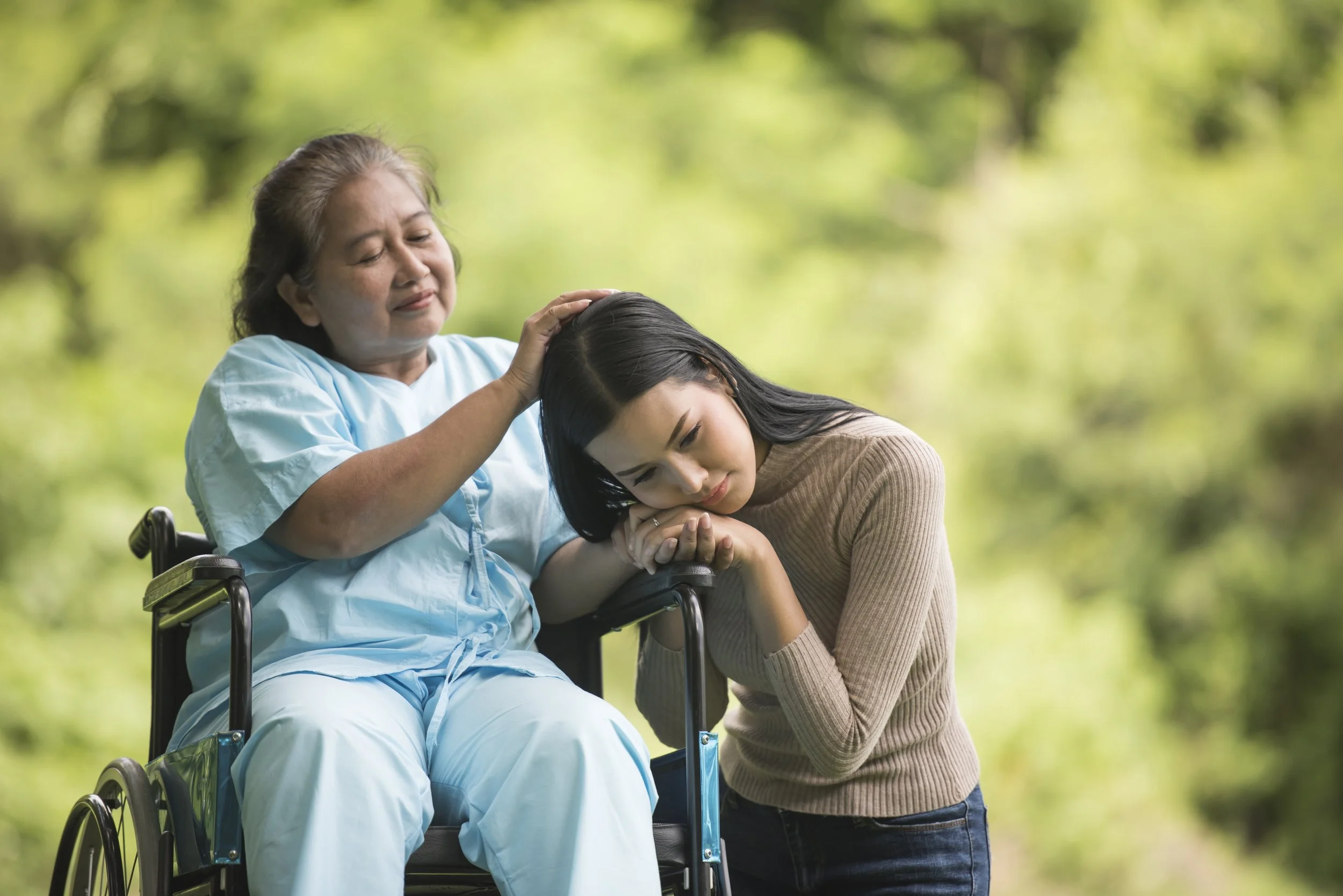
Designed by Freepik
Caregiving is a public health issue affecting millions of lives. Between 2011 and 2022, the number of family caregivers jumped from 18.2 million to 24.1 million. The Centers for Disease Control and Prevention expects that the need for family caregivers will continue to grow as the US older adult population increases.
Who are family caregivers?
A family caregiver, also known as an informal caregiver, is a partner, relative, friend, or neighbor who has a personal relationship with an older person or adult with a chronic or disabling condition whom they provide care and assistance for. They may live with the person they’re caring for or be separated, and may also be a primary or secondary caregiver.
Caregiving is dynamic and changes depending on the care recipient and the environment. The phases of caregiving may be unpredictable due to familial, social, and geographic context. In general, it includes providing direct care to the care recipient, assistance with daily activities, and navigating health care and social service systems. Caregivers commonly assist with household tasks such as meals, laundry, housework, bills, home maintenance, transportation, shopping, and money management. According to the Committee on Family Caregiving for Older Adults, 44% of caregivers were reported to be helping their care recipients with chores most days or every day.
The older adults receiving care and assistance from family caregivers were white, female, and widowed or married, as stated in a journal article from The Gerontologist. There is greater racial diversity, higher levels of education, and a shift toward younger ages among the care recipients in comparison to the last 16 years.
What do statistics show?
In an article by the American Psychological Association, citing the National Alliance for Caregiving, seven in ten caregivers are non-Hispanic White, 13 percent are African-American, and 2 percent each are Hispanic or Asian-American. It was also found that the majority of caregivers are females. They were likely to spend more time providing care than male caregivers, and they assist in different tasks such as bathing. On the other hand, male caregivers were likely to arrange for other care or assist with the finances.
Most of the family caregivers of older adults are old themselves. The average age of a caregiver for older adults aged 65 years or older is 63 years old. This is more likely the setup for a spouse or partner, where the average age of a spousal caregiver is 62.3 years. Statistics show that 46% of the lesbian, gay, bisexual, and transgender (LGBT) elders were providing care and assistance to their families of choice or families of origin.
Family caregivers provide care for an average of 24.4 hours per week, and nearly 1 in 4 caregivers spend 41 hours or more per week. Nearly two-thirds of family caregivers are employed part-time or full-time. An overwhelming amount of them are from lower-income households, and 44% are under twice the federal poverty level.
What are the challenges of a family caregiver?
Providing care affects and takes a toll on the well-being of the caregiver - emotional, physical, social, financial, and even family relationships. The degree of impact may vary among individual caregivers depending on various factors.
1. Emotional
Caregivers have higher rates of psychological distress than non-caregivers. The more involved and hands-on a family caregiver is, the higher their distress. According to the Caregiver Action Network, 38% of caregivers suffer from anxiety or depression brought on by the emotional demands of caregiving, and 40% of family caregivers were revealed to be highly stressed.
2. Physical
Caregivers rate their health as poor, and more so for caregivers of older care recipients. The poor physical health of caregivers can be attributed to their role as caregivers, the hours of care they provide, the tasks they perform, and the problems of the care recipient. Some tasks like bathing, dressing, transfers, and lifts may also result in muscle strain and backache.
3. Social
The time spent in caregiving can reduce the energy and time to maintain social relationships with their children, spouse, and friends, which leads to isolation. Other caregivers may experience greater consequences in their social relationships, such as divorce and marital infidelity. This is more so in caregivers who care for persons with dementia. The Alzheimer’s Association revealed that 15.7 million adult family caregivers provide care for someone who has Alzheimer’s disease or other dementia.
4. Financial
Family caregivers are mostly unpaid. On average, caregivers spend $7,000 annually for out-of-pocket caregiving-related expenses for assistive devices, medical premiums, and co-pays. The lack of financial support and the sudden or unexpected expenses required in caregiving drive caregivers further into financial problems.
5. Family relationship
The effects on family relationships are often overlooked. Caregiving creates conflict within the family caused bycare decisions such as disagreements about the nature and seriousness of the care recipient’s condition, differing views on caregiving boundaries, disapproval of the quality of care, and disagreements over financial matters. The risk of a strained family relationship caused by caregiving was low for most caregivers, but some conflict may be intense.
The challenges encountered by family caregivers may co-exist with benefits such as a feeling of confidence, satisfaction, and closer ties with the care recipient. Despite this, it is important to unveil the silent battle fought by family caregivers. The first step can be having support programs and increasing awareness to the struggles they face.
Read Ca Care Associations’ news and resources to know more about caregiving and older adults.
