
Know the Mental Health Techniques for Caregivers

Designed by Magnific
Caregiving and what statistics show: the US and California
Caregiving has now become more intensive, with caregivers finding it difficult to maintain their own physical and emotional health. The Caregiving in the US 2025 Research Report revealed that one in four American adults (24%) is a family caregiver, with an average age of 51 years old.
One in five family caregivers rate their health as fair or poor, with the women, LGBTQ+ caregivers, and those living with their care recipient experiencing worse. Data shows that caregivers 45% of caregivers experience physical strain, while 64% of them suffer emotional stress.
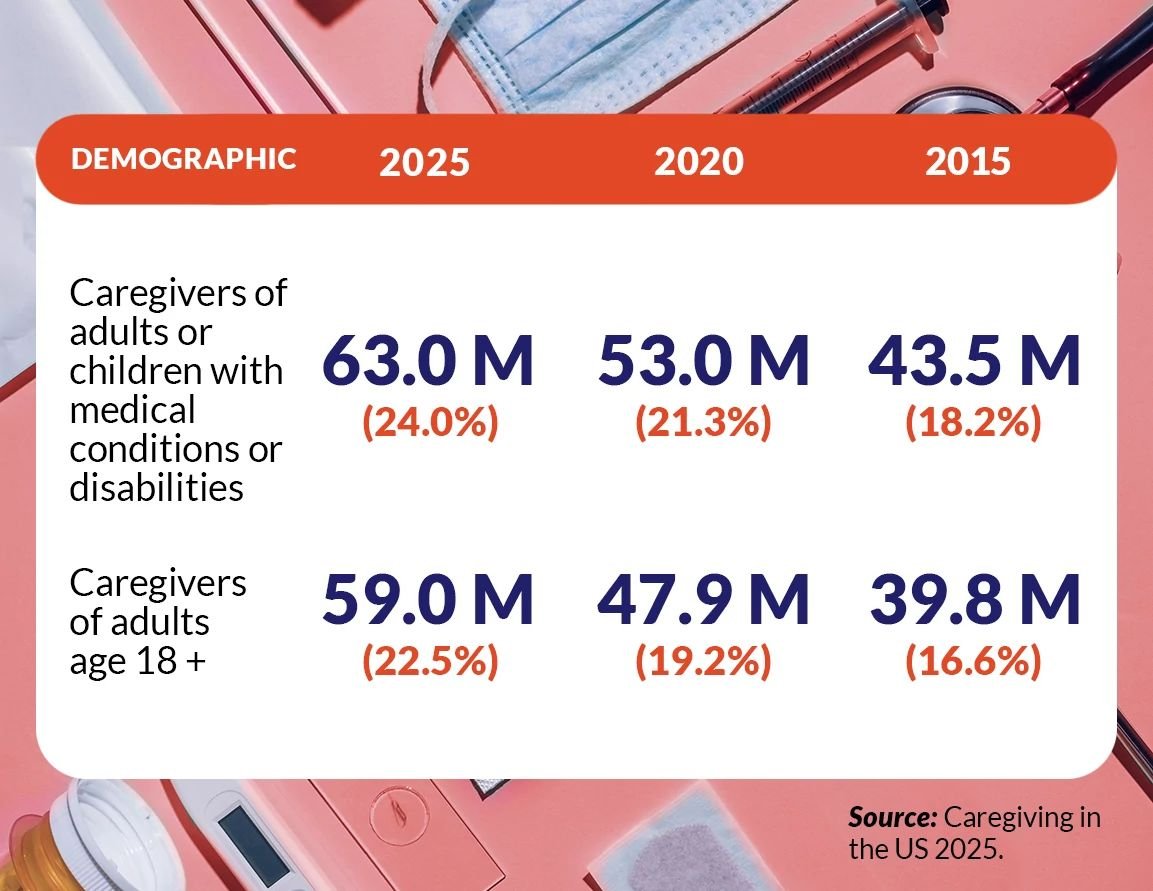
Photo from the American Association of Retired Persons (AARP)
In California, more than 7 million adults provide care to a family member or friend with complex medical conditions or disabilities. Over half of family caregivers (54%) in California provide more hours of care weekly, helping with more activities of daily living and instrumental activities of daily living. Four in ten (41%) caregivers also experience high emotional stress while caregiving.
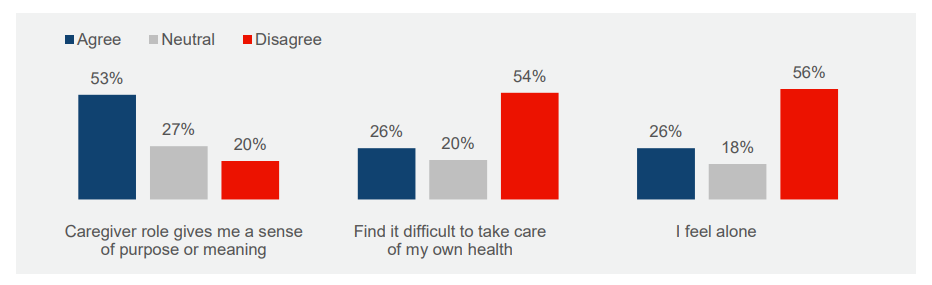
Data from Caregiver in the US 2025
Caregiver burnout and resilience toolkit
It is first important to recognize the early warning signs of caregiver burnout - emotional, physical, and behavioral.
The emotional signs of burnout are irritability, feeling overwhelmed, emotional exhaustion, and feeling overwhelmed. The physical signs are sleep disruption, muscle tension, fatigue, and headaches. While behavioral signs of burnout include reduced job satisfaction, withdrawal from coworkers, increased absenteeism, and difficulty staying engaged during work.
Dr. Vina Napoles, a board-certified behavioral analyst, introduced the concept of compassion fatigue. “So, this is when you spend a lot of time caregiving for others who may be struggling physically or emotionally, and it can take a toll on your emotional energy,” she said.
“Understanding burnout really is not just about the individual’s well-being, but we have to understand it on a grander level, right? It can also infect the entire care environment. They tend to say burnout can be contagious,” noted Dr. Vina.
The resilience toolkit, which consists of four practical strategies, can help caregivers to manage stress and mental health.
Tool #1: Micro Recovery
Micro recovery means taking short breaks throughout the day, such as drinking water, a two-minute breathing reset, a brief walk, and pausing before responding. Another quick calming exercise is the 4-7-8 breathing, where you breathe in through your nose for 4 seconds, hold your breath for 7 seconds, and exhale through your mouth for 8 seconds.
Tool #2: Emotional Regulation
Emotional regulation are strategies to help a caregiver respond to stress in a healthy way. Similar to the first tool, micro recovery, deep breathing helps regulate emotions by taking three slow breaths before responding to a stressful situation. You may also try the 4-7-8 breathing exercise to calm your nerves.
Another way to regulate emotions is through cognitive reframing. “You are trying to look at a very difficult situation or a difficult situation in general from a different perspective,” said Dr. Vina. Cognitive reframing can help a caregiver cope with a situation and come up with solutions. Dr. Vina describes it by saying, “We need to be able to zoom out to the bigger picture. By zooming out, we can't do that by looking at the negative aspect.”
Tool #3: Team Support
Caregiving needs strong team support to reduce the feeling of isolation and burnout alone. Team support can be done through simple checking in with coworkers, talking through difficult situations, and recognizing the efforts of one another.
Tool #4: Meaning and Purpose
In times of burnout, remember the meaning and purpose of working as a caregiver. Reflect on why you chose caregiving in the first place, moments where you helped someone feel safe or supported, and success stories.
Dr. Vina highlights that “Reflection is gonna be essential, and this can help reignite and restore that motivation for doing what you do and why you do it.”
Burnout Prevention Plan
A burnout prevention plan helps a caregiver identify realistic and practical strategies to manage stress and support recovery. It can include anything that can help them stay emotionally and physically healthy, such as using routines to better reset after a shift, practicing breathing or grounding exercises, and creating better transitions between work and home.
It can be as simple as reflecting and writing down your personal burnout prevention plan by answering the following.
One early warning sign I notice when I’m feeling stressed:
One resilience strategy I will start using:
One person I can reach out to for support:
Dr. Vina stresses the importance of not needing to make the burnout prevention plan complicated, “It sounds complicated, but really it’s not. It’s a lot of what we’ve already talked about this evening; it’s really just about identifying small, but practical strategies that can help you manage stress and recharge emotionally.”
Ending the caregiver burnout training, Dr. Vina reiterates the importance of taking care of oneself before taking care of others. “Taking care of your own well-being is one of the most important ways to sustain the work that you do every day.”
Read more about Caregiver Stress: Signs and Effective Management from Ca Care Association.
