

Aging and Oral Health
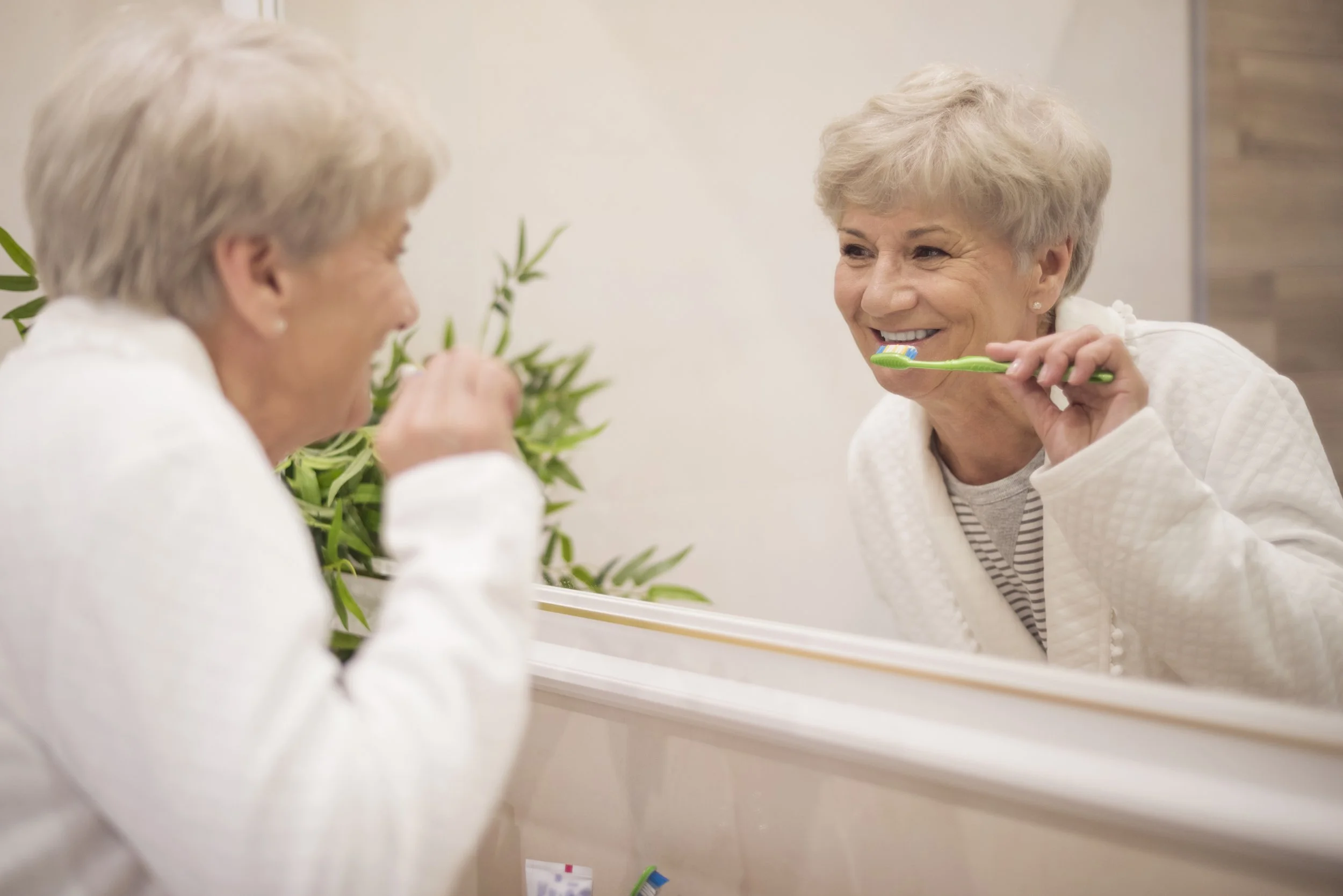
Designed by Freepik
Oral health is often neglected and is rarely prioritized. Older people do not receive nor have access to the necessary routine required in taking care of their oral health. The risk factors of older adults for oral problems include chewing or smoking tobacco and alcohol. Moreover, socioeconomic status is a consistent determinant of oral health worldwide. Older adults with lower socioeconomic status are less likely to afford and have access to dental care services, which results in oral diseases.
Medical Problems and Oral Health Relationship
According to a research study, oral and general health are interrelated. Hypertension, diabetes, rheumatoid arthritis, Parkinson’s disease, Alzheimer’s disease, and depression are the most common diseases that appear as people age.
For hypertension, the side effects of anti-hypertensive medications are dry mouth, taste alteration, gingival hyperplasia (gingival enlargement), and lichenoid reactions. These can be addressed by increasing water intake for those with dry mouth or having localized periodontal therapy.
Diabetes is associated with oral conditions such as delayed wound healing, periodontal disease, taste alteration, and oral infections. It was also found to increase the incidence and progression of periodontitis (severe gum infection) by 86% and complicate tooth replacement.
Rheumatoid arthritis and periodontitis are chronic inflammatory diseases leading to connective tissue destruction and similarly share the same risk factors. As for Parkinson’s disease, the rigidity of the orofacial musculature and tremors, which lead to motor impairments, can cause difficulty in brushing teeth, which contributes to an increased risk for oral diseases.
In the case of patients with Alzheimer’s disease, the impaired cognitive function, memory loss, and decreased motor skills can cause problems in oral hygiene, such as periodontal disease, denture-induced stomatitis, and caries (tooth decay). Similarly, the lack of motivation and energy for people with depression can lead to neglected oral health care.
These medical conditions make older adults more vulnerable to oral diseases.
Common Oral Health Problems
Aging changes the body’s cells, tissues, and organs. Cells renew at a slower rate, tissues become thinner and less elastic, bones become less dense and strong, and the immune system becomes weaker. These changes in the body affect the teeth and gums, which increases the risk of oral health problems in older adults.
1. Dry Mouth
Due to age, health conditions, or the use of certain medications, older adults are more susceptible to dry mouth. Saliva helps the gums to stay healthy and protects the teeth from decay. If there is not enough saliva produced, it can increase the risk for mouth sores, yeast infection in the mouth, gum disease, tooth decay, and problems in tasting, chewing, and swallowing.
2. Gum Disease
Receding gums occur when the gum tissue pulls away from the tooth and exposes the base or root of the tooth. This is common in older adults and can cause inflammation and decay. An early type of gum disease is called gingivitis. It is caused by plaque, which is a sticky, colorless film that forms on the teeth. It can be prevented with good oral hygiene. On the other hand, periodontitis is the more severe condition and is associated with poor wound healing, worsening diabetes control, and cardiovascular disease.
3. Cavities
It occurs when bacteria in the mouth change sugars and starches from food into acid. The acid attacks tooth enamel and leads to cavities. Cavities are also likely to develop among older adults because of their receding gums and dry mouth.
4. Oral Cancer
Oral cancer is common among those aged 50 and is three times greater in men than in women. This is caused by smoking, drinking alcohol in excess, and using other types of tobacco. Fifteen percent of patients with oral cancer are likely to be diagnosed with another cancer in a nearby area, such as the lungs, esophagus, and larynx.
Prevention
Good oral health is essential to a person’s overall well-being. Oral health problems are preventable through oral hygiene and lifestyle.
Brush your teeth twice a day with fluoride toothpaste and floss to remove dental plaque
Avoid food and drinks with added sugar as much as possible
Do not use tobacco products and drink less alcohol
Manage your diabetes to lower the risk of oral health complications
Prevent dry mouth by drinking plenty of water or ask your doctor for a different medication that does not make your mouth dry
Visit your dentist at least once a year
Older adults are growing in number and are likely to be a large part of the dental practice in the coming years. Despite this fact, oral health is neglected in comparison to other aspects of health. Having good oral health is essential to healthy aging and preventing oral problems and diseases.
