

What To Know About UTI and How It Affects Older Adults
Designed by Freepik
Urinary tract infection, or UTI, is one of the most common bacterial infections. About 1 in 10 men and 6 in 10 women will have at least one UTI during their lifetime. In the United States, 10.5 million office visits and 400,000 hospitalizations annually are caused by UTI. Among various ages, UTI usually affects older adults because of several age-related risk factors.
Urinary Tract Infection
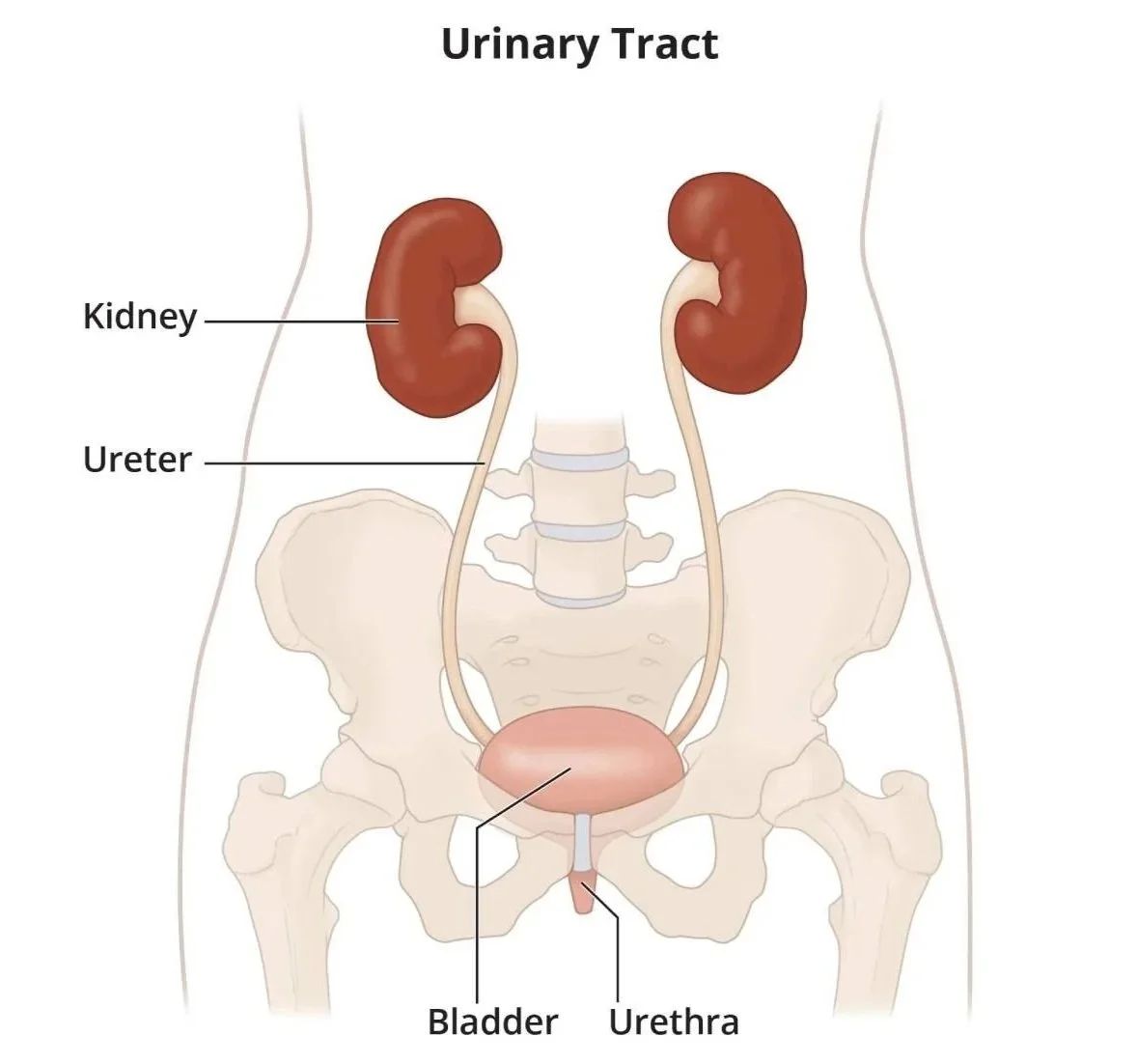
Urinary tract infection, or UTI happens when bacteria get into the urinary system and multiply. The urinary system is the part of the body that makes urine and is composed of two kidneys, ureters, the bladder, and the urethra. It has two types: bladder infection, also known as cystitis, and kidney infection, also known as pyelonephritis. If not treated promptly, it may cause a more serious type of infection, which is the latter of the two types.
Signs and Symptoms
For bladder infections, the signs and symptoms are the following:
Frequent urination
Feeling the need to urinate despite having an empty bladder
Pain or burning while urinating
Bloody urine
Pressure or cramping in the groin or lower abdomen.
On the other hand, the symptoms of kidney infection can include:
Nausea or vomiting
Lower back pain or pain in the side of your back
Chills
Fevers
Some people do not feel any signs or symptoms.
Risk Factors and Prevention
Anyone can get a UTI, but some people are at higher risk of developing one. It is more common in women since their urethras are shorter and closer to the rectum, making it easier for the bacteria to enter the urinary tract. Other risk factors may be recent sexual activity, a previous UTI, pregnancy, and poor hygiene. As for age, young children and older adults are the ones more likely to get UTI. People with blockages or structural problems in their urinary tract are also at risk since the flow of urine is blocked. Similarly, people with diabetes are also at risk because of the changes in the defense system of their bodies.
UTI can be prevented by drinking plenty of fluids, taking showers instead of baths, urinating when you feel the urge, wiping from front to back, and washing the genital area every day and before having sex.
UTI and Older Adults
UTI is common in older adults due to several age-related risk factors. According to research, 10% of women older than 60 years report having UTI in the past 12 months, increasing to almost 30% for women aged under 85 years. Aside from the short urethral length of women in general, older women could be more at risk of UTI due to loss of pelvic floor muscle tone and associated prolapse. Other risk factors of older women are physical limitations, urinary incontinence, anatomical abnormalities, diabetes, and anal intercourse. Moreover, sexual activity is a risk factor for both men and women in the older population.
Geriatric patients aged under 75 years, whether residing at home or in a nursing home, exhibit geriatric-typical multimorbidity involving two or more systemic diseases. These conditions include malnutrition, incontinence, malnutrition, immobility, fall susceptibility, chronic pain, and cognitive deficits. The symptoms are atypical, like poor appetite, drowsiness, frequent falls, delirium, hypotension, tachycardia, and urinary incontinence. The usual symptom of fever in other age groups is replaced by confusion or delirium in older adults. Due to these atypical symptoms, it can be difficult to diagnose patients with UTI.
Studies show that older patients experience more severe UTI outcomes with higher rates of complications such as sepsis, pyelonephritis, and increased mortality. There is also a number of geriatric patients who experience recurrent UTIs, defined as two or more episodes within 6 months or three in a year, which leads to increased morbidity, potential complications, and health care costs.
If you suspect that you or a loved one has UTI, consult a doctor.
