
Tracing the History of Pride Month
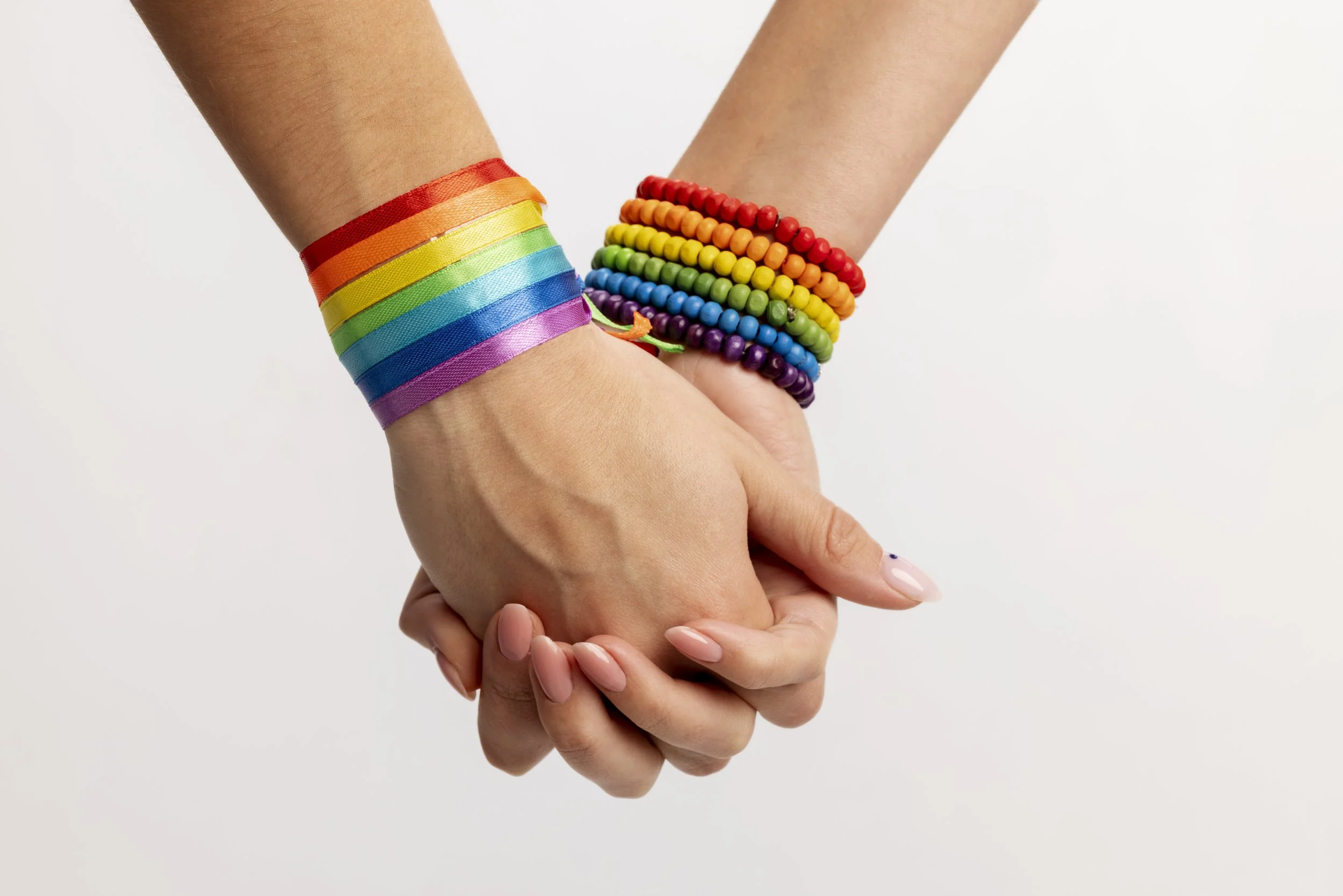
Designed by Magnific
Many countries celebrate Pride Month in June, but this was not always the case. A person could not live openly as gay, lesbian, or bisexual in the 1960s. In New York City, violating the law, rule, or policy was met with harsh penalties. Discrimination, fear, and blackmail were used to isolate people when homosexuality was hidden. At that time, men and women were required by law to wear clothing that matched their gender on the state-issued ID.
Following these laws, the police raided drinking establishments and arrested transgender and gender non-conforming individuals. The Stonewall Inn, a gay bar, was raided by the police on June 28, 1969, and multiple people were arrested. Patrons, staff members, and other members of the community resisted resulting to a riot. This forced the police to retreat and barricade themselves in the Stonewall Inn, while the onlookers joined in throwing bricks, pennies, metal garbage cans, and bottles. There are conflicting versions of the story, but what was common was that people came together to reclaim and fight for their own narratives.
The Stonewall Uprising was a key moment for the community, as exemplified by the marches of the LGBTQ+ community that began a year later. In New York City, the city’s first Pride parade was the Christopher Street Liberation Day March held on June 28, 1970. Pride was originally celebrated on the last Sunday of June as “Gay Pride Day” but it has now evolved into a month-long celebration every June across the country.
The state of California is the first state in the country to designate June as its official LGBTQ+ Pride Month in 2018. California’s LGBTQ+ activism can be traced back to the founding of the first LGBTQ+ business association in 1962, Laguna Beach electing the first openly gay mayor in the US, and the creation of the rainbow flag, which was designed in San Francisco. Some cities in California celebrate Pride all year round, such as the Orange County Pride Parade and Festival on October 10.
The LGBTQI+ community is protected from discrimination in employment and education. The Supreme Court in Obergefell v. Hodges held that the right to marry extends to same-sex couples, thereby recognizing same-sex marriage. Despite the increased protection for the LGBTQI+ community, they continue to experience higher rates of discrimination in comparison to non-LGBTQ+ individuals in terms of health care, housing, employment, and public spaces. Discrimination and violence can be in many forms, from harassment, name-calling, bullying, and gender based violence to being denied appropriate healthcare or a job. Older adults of the community also experience struggles in their access to health care, higher levels of mental and physical health problems, and are likely to age alone.
Pride Month reminds us how far the LGBTQ+ community has come and the obstacles they continue to face. We also recognize the contributions they have made in human rights, culture, art, science, and technology. Ca Care Association remains committed in its advocacy of creating a safe and supportive environment for all in the caregiving and healthcare sector.
To know more about the health struggles of LGBT older adults, read Ca Care Association’s article here.
