
Common Respiratory Viruses Affecting Older Adults
Designed by Magnific
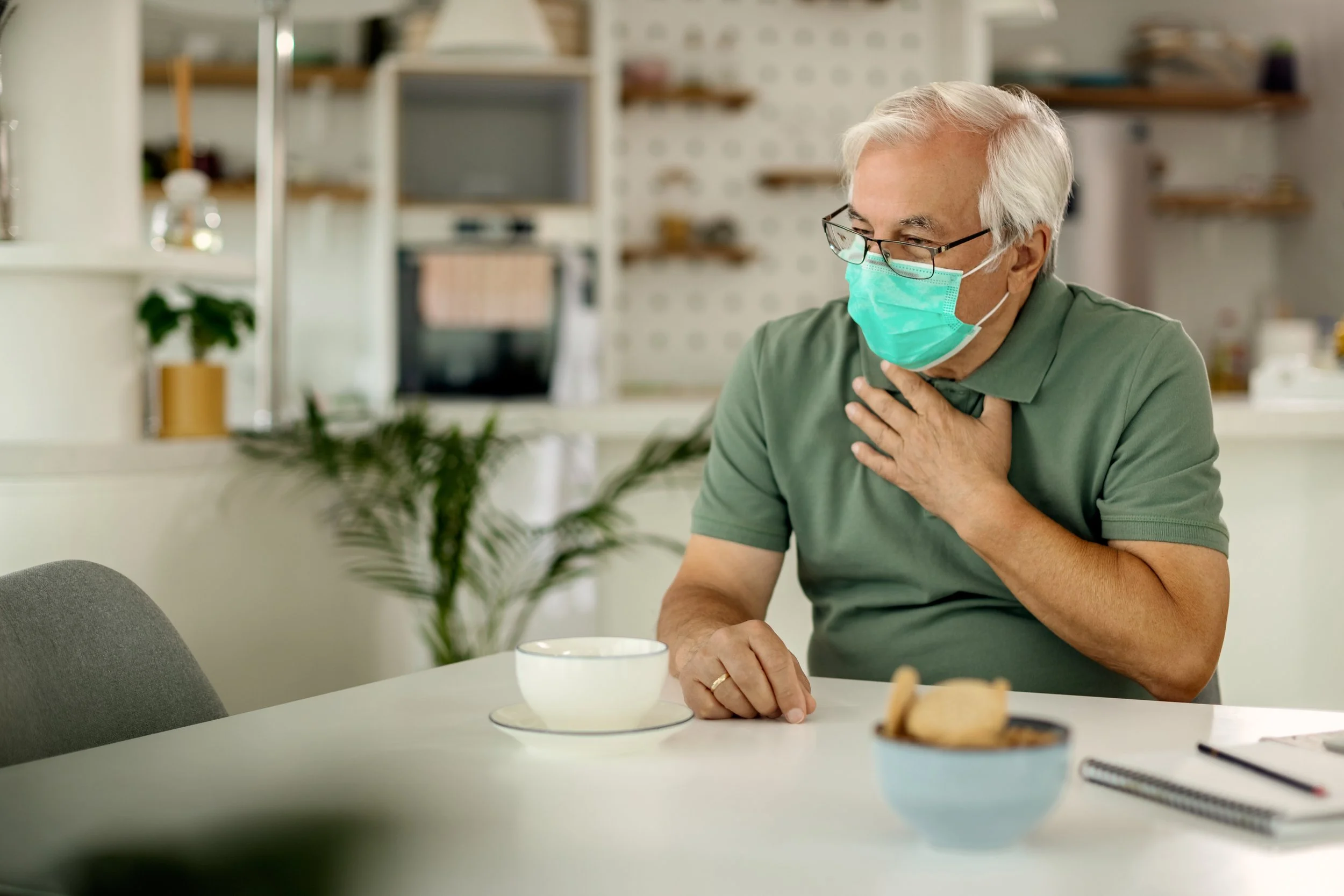
Older adults have a higher risk of complications from respiratory illnesses due to their weakened immune system. Respiratory viruses, including severe acute respiratory syndrome coronavirus 2 (SARS-CoV-2), influenza, and respiratory syncytial virus (RSV), lead to substantial mortality and morbidity in the elderly.
Severe acute respiratory syndrome coronavirus 2 (SARS-CoV-2)
COVID-19 is a contagious and severe respiratory disease caused by SARS-CoV-2 infection. Its main symptoms are cough, pneumonia, fever, and myalgia.
Older adults are at the highest risk of getting COVID-19 because the immune system doesn’t respond to infections as effectively. Other factors that contribute to the risk are underlying medical conditions, the place where they live or work, and lack of access to health care.
Vaccines are available at the doctor’s office, community health centers, and local pharmacies.
Influenza
For most people, flu is a mild illness and they get better after a few days to two weeks. However, it can be life-threatening when other health issues or complications arise. People aged 65 or older, those with certain medical conditions, those with heart disease, and those who live in a long-term care facility are more at risk of having the flu.
The flu increases the risk of stroke by 2-3 times in the first two weeks of infection and increases the risk of heart attack by 3-5 times for older adults.
The best protection against the flu is having an annual flu vaccine. The Centers for Disease Control and Prevention suggests that September and October are the best times to be vaccinated. Adults aged 65 and older should generally not get vaccinated early because protection may decrease over time.
The cold, flu, and COVID-19 can have similar symptoms, but a health provider can help you determine the cause of your illness. The flu and COVID-19 have similar symptoms, but the latter’s symptoms are more severe and easier to spread. As for a common cold, it is most often milder compared to the flu.
Respiratory syncytial virus (RSV)
RSV affects persons of all age groups, but it can be dangerous for adults who are older or have certain risk factors. Adults at highest risk for severe RSV are those aged 75 and older, those with chronic heart or lung disease, those with a weakened immune system, those with underlying medical conditions, and those living in nursing homes. Adults typically have mild cold-like symptoms, but it can also lead to serious outcomes, such as pneumonia, hospitalization, more severe symptoms for people with chronic obstructive pulmonary disease, and more severe symptoms for those with congestive heart failure.
In the United States, RSV season starts in the fall and peaks in the winter, but this can vary among different communities. The Centers for Disease Control and Prevention recommends that adults aged 75 and older and adults aged 50 to 74 who have certain risk factors get an RSV vaccine. It is best to get vaccinated in early fall and late summer.
Caregivers should stay alert for any changes in the breathing of the older adult. Encourage them to get immunizations, quit smoking, and exercise regularly. If they are undergoing treatments or taking medicine, make sure that they are being followed.
Go to the emergency room or call a healthcare provider immediately if any of the following symptoms occur:
A fever of 37.8 degrees Celsius (100 degrees Fahrenheit) or higher with or without a cough
Sudden chest pain
Sudden onset of severe shortness of breath
Online resources from the American Lung Association are also available for caregivers. The Lung HelpLine, a free and nationwide resource, can be used to answer questions related to lung health and lung disease. Online support programs, such as The Patient & Caregiver Network, can connect you with other patients and caregivers concerned about lung disease management.
As a caregiver, be on the lookout for possible complications and help control symptoms of pulmonary diseases.
Ca Care Association, a 501(c)(3) organization working with Home and Community Based Care Providers, offers news and events that can help caregivers navigate caring for older adults.
Know more about Ca Care Association here.
